
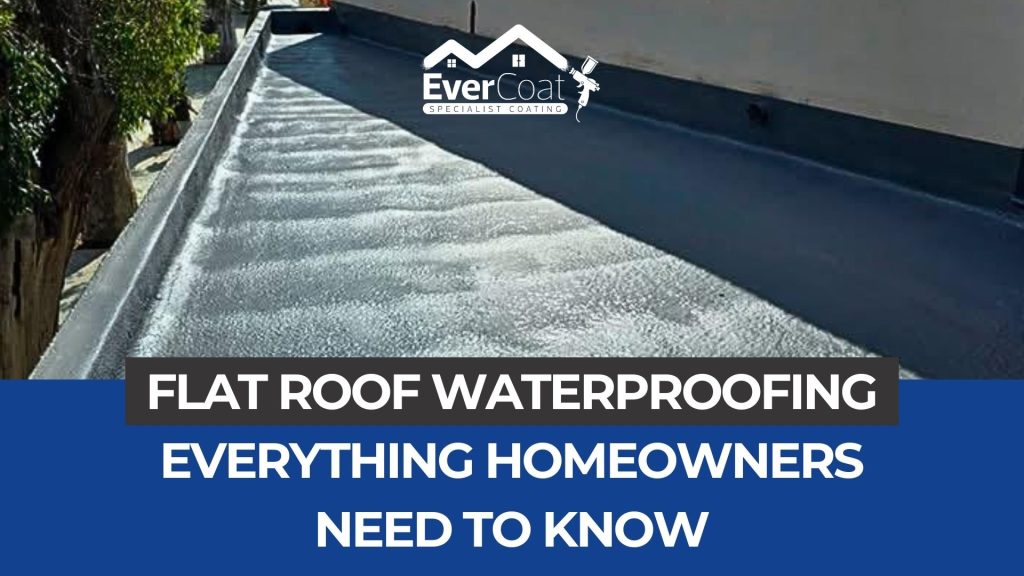
Flat roofs are a defining feature of many homes in Spain, especially in modern villas, coastal properties, and buildings with rooftop terraces. They offer clean architectural lines, usable outdoor space, and easier access compared to pitched roofs. However, they also come with one major challenge: water. Without the right protection, flat roofs are far more vulnerable to leaks, dampness, and long-term structural damage. This is why flat roof waterproofing is not an optional upgrade, but a fundamental part of protecting your home.
What Is Flat Roof Waterproofing?
Flat roof waterproofing is the process of applying a protective system that prevents water from penetrating the roof surface and entering the structure of the building. Unlike sloped roofs, where gravity helps water run off naturally, flat roofs tend to retain water for longer periods. Even when drainage is well designed, small imperfections can allow water to sit on the surface and slowly seep through.
Waterproofing creates a continuous barrier that seals the roof against rain, humidity, and standing water. Modern systems are designed to be flexible, durable, and resistant to UV exposure, which is especially important in Spain where roofs are exposed to intense sunlight for most of the year. A properly waterproofed flat roof protects not only the roof itself, but also the walls, ceilings, insulation, and interior finishes below.
Why Flat Roof Waterproofing Is Crucial in Spain
Spain’s climate makes flat roof waterproofing particularly important. Long dry periods followed by intense rain, high UV exposure, coastal humidity, and temperature fluctuations all put stress on roofing materials. Over time, untreated or poorly protected flat roofs can develop microcracks that allow water to penetrate during rainy periods.
In coastal areas, salt carried by the air accelerates material degradation. Inland, extreme heat causes expansion during the day and contraction at night, weakening rigid materials. Without a flexible and seamless waterproofing system, these natural movements lead to cracks, leaks, and damp problems inside the home.
Flat roof waterproofing acts as a protective shield, absorbing movement and preventing water ingress. When combined with proper surface preparation and drainage checks, it significantly reduces the risk of leaks and costly repairs.
Common Problems Caused by Poor Waterproofing
When flat roof waterproofing is missing or has failed, the signs often appear gradually. Damp patches on ceilings, water stains near walls, peeling interior paint, or a persistent musty smell are all indicators that water is entering the structure. Left untreated, moisture can damage insulation, weaken concrete, and encourage mold growth.
In many cases, homeowners only address the symptoms, repainting ceilings or patching visible cracks, without solving the root cause. Proper flat roof waterproofing addresses the problem at its source, preventing water from entering the building in the first place.
Types of Flat Roof Waterproofing Systems
There are several methods used for flat roof waterproofing, but not all are equally suitable for Spain’s climate or modern residential use. Traditional systems such as bituminous membranes can be effective but often involve joints, overlaps, and seams that become weak points over time.
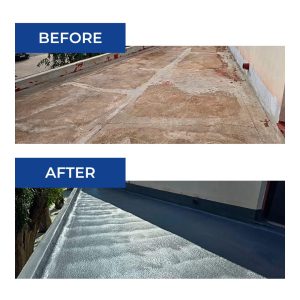
Liquid-applied waterproofing systems, particularly polyurethane membranes, have become the preferred solution for many homeowners. These systems are applied as a liquid and cure into a seamless, elastic membrane that adapts to the roof’s shape. Because there are no joints or overlaps, the risk of water penetration is significantly reduced.
Polyurethane membranes are also UV-resistant, flexible, and durable, making them ideal for flat roofs that are exposed to sun, rain, and foot traffic, such as terraces or rooftop areas.
Benefits of Flat Roof Waterproofing
The most obvious benefit of flat roof waterproofing is leak prevention, but the advantages go far beyond that. A properly waterproofed flat roof protects the structural integrity of the building by preventing water from reaching concrete, steel reinforcement, and insulation layers.
Waterproofing also improves indoor comfort. Moisture intrusion often leads to cold spots, damp air, and unpleasant odors inside the home. By keeping the structure dry, waterproofing helps maintain a healthier and more stable indoor environment.
From a financial perspective, flat roof waterproofing is a preventative investment. Repairing water damage, replacing insulation, or addressing structural deterioration is far more expensive than installing a durable waterproofing system early on. Waterproofing extends the lifespan of the roof and reduces long-term maintenance costs.
In homes where the flat roof is used as a terrace, waterproofing also enhances usability. Modern systems can be combined with anti-slip finishes or protective coatings, making the surface safer and easier to maintain.
Flat Roof Waterproofing and Terraces
Many flat roofs in Spain double as terraces, outdoor lounges, or access areas. In these cases, waterproofing becomes even more important. Foot traffic, furniture, and temperature changes place additional stress on the surface.
Liquid-applied waterproofing membranes are particularly effective here, as they provide abrasion resistance and flexibility. When applied correctly, they create a durable surface that withstands daily use while keeping water out. Transparent or lightly pigmented systems can also preserve the original look of tiles or finishes, which is ideal for homeowners who want protection without altering appearance.
Surface Preparation: The Key to Long-Lasting Results
One of the most overlooked aspects of flat roof waterproofing is surface preparation. Even the best waterproofing products will fail if applied to a dirty, uneven, or damaged surface. Proper preparation involves cleaning the roof thoroughly, removing debris, repairing cracks, and ensuring the surface is dry and stable.
In some cases, priming is necessary to ensure optimal adhesion. This step is essential for creating a strong bond between the roof surface and the waterproofing membrane. Skipping preparation often leads to premature failure, peeling, or bubbling.
Waterproofing as Part of a Larger Renovation Strategy
Flat roof waterproofing is often most effective when combined with other exterior improvements. For example, during an exterior wall renovation, waterproofing the roof helps ensure that water does not migrate into the facade or insulation layers.
In properties with energy efficiency concerns, waterproofing can be combined with insulation upgrades to improve thermal performance. A dry structure performs better thermally, as wet insulation loses much of its effectiveness. By protecting the roof, waterproofing supports the overall performance of the building envelope.
Maintenance After Waterproofing
Although modern waterproofing systems are designed to last many years, periodic inspections are still recommended. Checking drainage outlets, removing debris, and monitoring the surface for damage ensures the system continues to perform as intended.
One of the advantages of liquid-applied systems is that they are easy to maintain and repair. If damage occurs, localized repairs can be carried out without removing the entire membrane, extending the life of the waterproofing system.
Choosing the Right Waterproofing Solution
Not all flat roofs are the same, and the best waterproofing solution depends on factors such as roof usage, surface material, exposure to sun and rain, and existing conditions. A professional assessment helps determine whether a transparent or pigmented system is best, whether additional reinforcement is needed, and how to ensure proper drainage.
Using materials specifically designed for Spain’s climate is essential. Products must resist UV radiation, handle thermal movement, and maintain flexibility over time. Quality systems deliver consistent performance even under extreme conditions.
Flat roof waterproofing is one of the most important steps you can take to protect your home. It prevents leaks, preserves structural integrity, improves indoor comfort, and reduces long-term repair costs. In Spain’s demanding climate, a reliable waterproofing system is not a luxury, but a necessity.
By understanding what flat roof waterproofing involves and why it matters, you can make informed decisions that protect your property for years to come. Whether your flat roof is purely functional or an extension of your living space, proper waterproofing ensures it remains safe, durable, and ready to withstand whatever the weather brings.
CONTACT US TODAY FOR A FREE HOUSE VISIT & QUOTATION!
+34 602 299 523 | info@ever-coat.com