
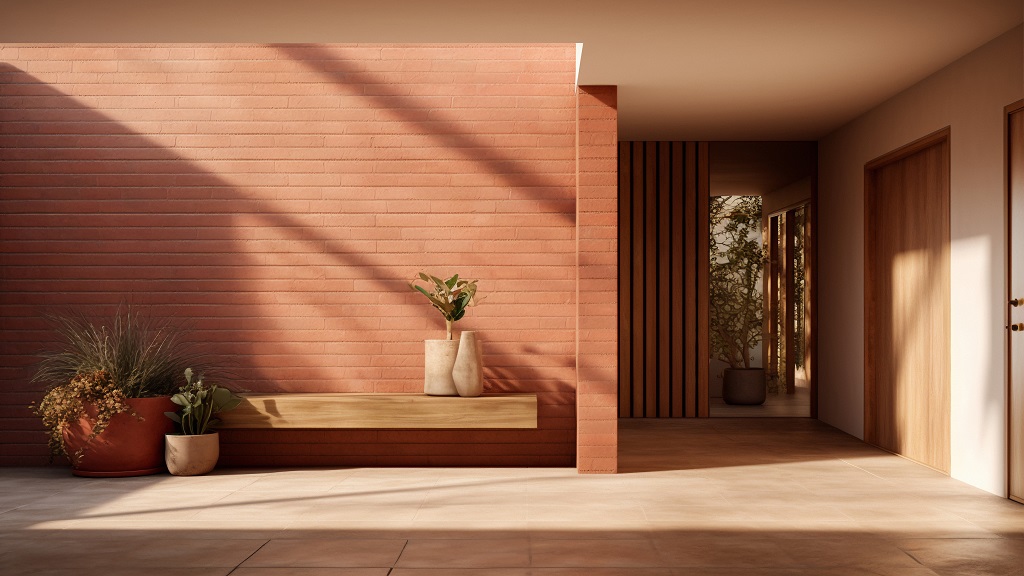
You step outside, look up at your façade, and there it is again: a hairline crack that wasn’t there last year. It could be a patch of flakey paint, a damp stain appearing after the autumn rains, or a wall that has simply gone tired and grey.
Spanish homes are subjected to a variety of stresses: summer sun, sudden downpours, coastal salt air in some areas, as well as large temperature fluctuations which can all affect the exteriors of your property. Wall rendering in Spain is one of the most cost effective ways to repair, protect and refresh your property in one go.
Here’s what rendering will actually do, what options you might consider and how to get a lasting result.
Why Do Exterior Walls Crack in the First Place?
Before choosing a fix, here’s a look at what might cause cracks in the first place:
- Weather exposure. Heat, UV rays and rain can all contribute to the breakdown of old paint and render.
- Bricks and blocks are porous and absorb moisture like a sponge.
- Temperature fluctuations. Heat and cold cause expansion and contraction of bricks, putting stress on rigid, older finishes.
- Substandard or old render. Poor preparation or the wrong material for the wall type can lead to cracking and detachment
Some cracks are purely aesthetic, but cracks also allow moisture into the wall structure, causing damp patches, mold and internal damage. If you have a wide, spreading or repeating crack, have the wall professionally surveyed for repair before covering.
What Is Wall Rendering, and How Does It Protect Your Home?
Wall rendering is the process of applying a protective coating to your walls to protect the underlying brick or blockwork. A good render also finishes the façade to give the home a fresh, uniform appearance
It Helps Keep Water Out
Moisture is one of a building’s most bitter enemies. A good rendering puts up a barrier to water penetration, reducing the risk of damp spots and crumbling walls.
It Supports Long-Lasting Wall Protection
Rendering takes the punishment of the elements so that the structural wall doesn’t have to. The right system and installation will give years of protection, reducing the need for repainting and tending to cracks.
It Can Improve Comfort and Efficiency
While a render on its own will not offer a high level of insulation, when you’ve already got the scaffolding up and your façade rendered, why not consider combining your rendering with thermal insulation for greater efficiency and value for money?
It Transforms the Look of Your Home
A run-down, cracked or stained façade can make a house look aged before its time. Even a fresh, even render can transform the curb appeal of a property, which can be a big consideration if you’re looking to sell or rent.
Which Type of Render Is Right for Your Walls?
There’s no one-size-fits-all in terms of rendering. It depends on the wall type, your budget and the final look you’re after. Here are the main options.
Sand and Cement Render
This is the traditional render which is widely used and understood by builders. It’s a hardy, cost effective option but will usually take longer to dry out and be more prone to cracking due to movement.
Acrylic Render
An acrylic render introduces flexibility to the mix, so it can better resist cracking. Available in a range of color and texture options with greater resistance to water penetration and UV damage, it’s a popular choice for a clean and durable finish.
Monocouche Render
Monocouche is a pre-pigmented powder render which is applied in a single coat. As the color is built into the render, there’s no need to paint once it’s dry. Monocouche is a breathable, weather resistant option.
Polymer Render
A polymer render offers great adhesion and is often recommended in cases of persistent dampness. It’s a lightweight option that is highly flexible and resistant to cracking.
Why Choose Smooth Rendering in Spain?
Smooth rendering in Spain is a popular choice for good reason. The even, off-white or soft colored finish blends well with the sun-drenched Mediterranean climate, reflecting in a way that gives traditional villas and modern builds alike a sharp, attractive update.
The smooth render also requires a high level of skill during the application process, since imperfections will be on display in direct sunlight.
What Should You Check Before Rendering?
There are a few questions to ask yourself before deciding on rendering:
- What’s the condition of the wall? Loose paint, old render failure and damp need to be addressed.
- Is there an underlying moisture problem? While a render will protect against new moisture getting in, it won’t resolve damp already present within the wall structure.
- Do you want to add insulation to your walls? If you’re already having the scaffolding up, it’s the perfect opportunity to consider it.
- How maintenance should the render be? While some renders require minimal maintenance, it’s a good idea to keep an eye on the joints, window sills and the base of the wall.
Rendering is a long-term commitment and getting the right system and installer to fit it is essential in terms of future costs.
Frequently Asked Questions
Is wall rendering worth it for homes in Spain?
For many, rendering is ideal as it protects homes from sun, rain and moisture, as well as helping to rejuvenate tired or pitted facades. The protection it offers plus the value for money it provides are key considerations for homeowners in Spain.
Will render stop my walls from cracking?
A good render will help resist cracking, especially if it’s a more flexible option like an acrylic render. However, serious or repeating cracks should always be professionally surveyed before any repair work begins.
How long does exterior wall rendering last?
The lifespan of any render depends on the material, the installation and the local weather conditions. A well-installed render should last a long time and some options like monocouche rendering are said to last around ten or more years.
Can render fix damp walls?
Render protects against new moisture ingress but is unlikely to help with existing damp. Always investigate the source of the damp and get it resolved.
What’s the difference between acrylic and cement render?
Cement render is classic and strong but can be more rigid than other options. Acrylic render is more flexible, offers a broader range of colors and is generally more resistant to cracking.
Can I render over old render or painted walls?
Sometimes, depending on the condition and the type of rendering you’re looking at. In many cases a loose or hollow render will need to be removed before a new render can be applied. A surveyor can advise on the options for your walls.
Is rendering the same as painting?
No, painting is a thin protective and decorative coating whereas render is a thicker protective coating applied directly to the wall surface.
Ready to Give Your Walls the Protection They Deserve?
Cracks, damp patches and faded paint won’t simply disappear. Minor issues can soon balloon into expensive problems. Ever-Coat offers professional exterior wall rendering and coating solutions in Spain, from smooth finishes to enduring protection systems. Visit the rendering page to discover your options, and request a free site survey so an expert can come and look at your walls and recommend the right approach for your home.